

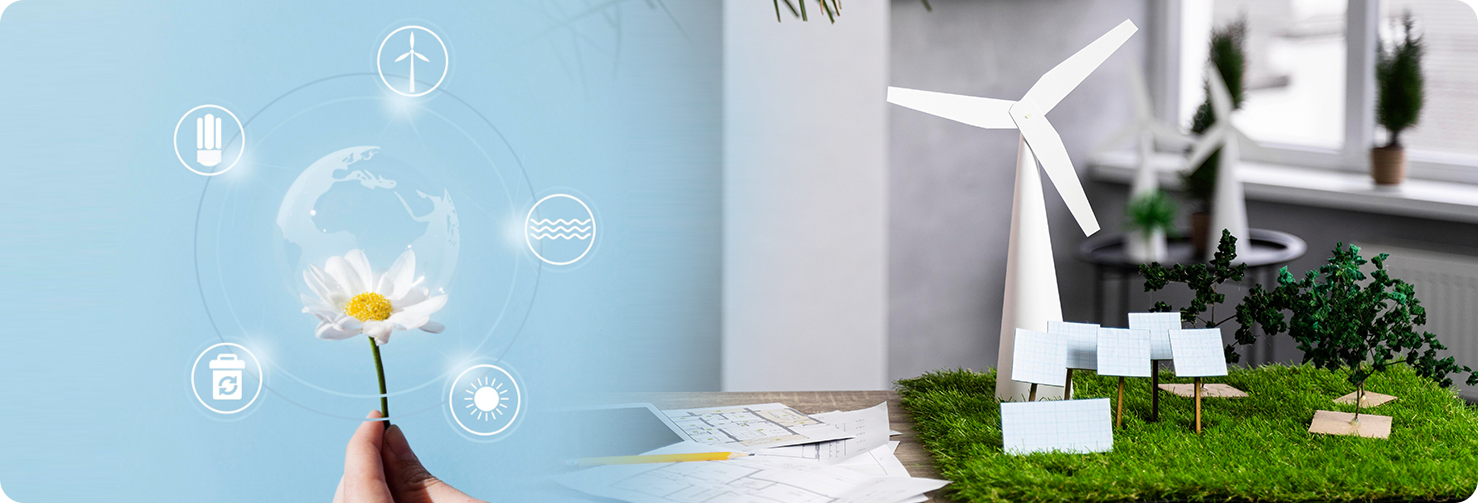

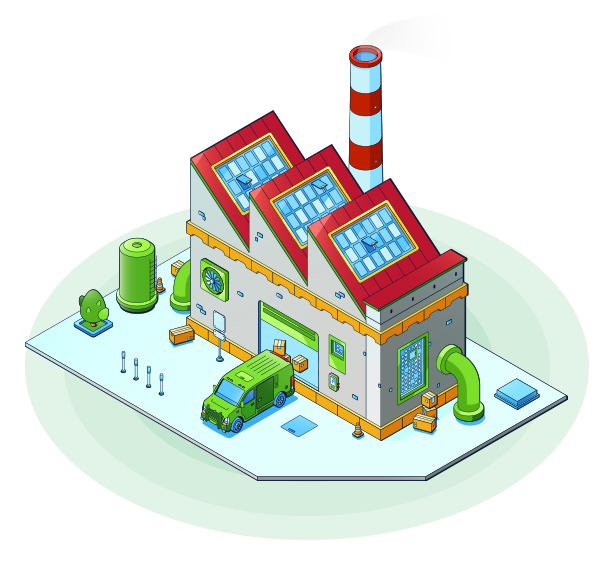
Use of renewable energy through the installation of solar rooftop systems at the factory to reduce dependence on external electricity sources.

Upgrading and replacing electrical and air conditioning systems, both in production areas and offices, to reduce electricity consumption. This includes regular maintenance of related equipment such as replacing office air conditioning systems, reducing compressed air pressure, installing inverters for dust treatment systems, and replacing all lighting in the Company with LED bulbs.
Continuous reduction of LPG usage, such as by improving machinery for more complete combustion and upgrading furnace insulation to minimize heat loss.
Reducing diesel fuel usage by replacing diesel-powered forklifts with electric forklifts. Diesel consumption for machinery and equipment is now limited only to the fire pump system within the plant.
The business activities with the highest greenhouse gas emissions are electricity consumption from production processes and office operations, as well as the use of LPG fuel in manufacturing. The Company has adopted the aforementioned management approaches to reduce greenhouse gas emissions. In the past 3 years, the Company observed a continuous improvement trend in greenhouse gas emissions (Scope 1 and Scope 2) compared to the previous year.


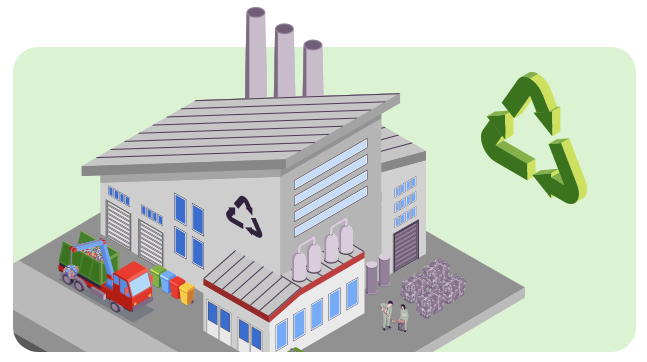
The Company has implemented policies and systematic approaches for appropriate waste and garbage disposal within the factory, ensuring no impact on the community or the environment, and full compliance with relevant laws. Waste and garbage generated mainly come from production and operational activities.
The Company is committed to reducing waste, pollutants, and by-products by introducing waste segregation into five categories: general scrap materials, general waste, organic (wet) waste, production waste, and infectious waste. Specific management guidelines are defined for each waste category.
In addition to managing energy, greenhouse gases, resource utilization, and waste, the Company has also established quantitative targets for reducing pollution related to its operations. This includes managing lead in ambient air and the concentration of lead in treated wastewater discharged outside the factory. Action plans are in place to ensure these values remain better than the target levels, as part of the Company's annual business plan.