หน้าที่ของแบตเตอรี่
- สตาร์ทเครื่องยนต์แบตเตอรี่จ่ายกระแสไฟฟ้าไปยังมอเตอร์สตาร์ท เพื่อหมุนเครื่องยนต์ให้เริ่มทำงาน โดยพลังงานไฟฟ้าจะถูกเปลี่ยนเป็นพลังงานกลจนเครื่องยนต์ติดและทำงานได้เอง
- จ่ายไฟให้กับอุปกรณ์ไฟฟ้าแบตเตอรี่ทำหน้าที่จ่ายพลังงานไฟฟ้าให้กับอุปกรณ์ต่าง ๆ ภายในรถ เช่น ไฟส่องสว่าง ระบบสัญญาณ และอุปกรณ์อิเล็กทรอนิกส์ โดยเฉพาะในช่วงที่เครื่องยนต์ยังไม่ทำงานหรือระบบผลิตไฟยังไม่เพียงพอ
- รักษาเสถียรภาพของแรงดันไฟฟ้าแบตเตอรี่ช่วยดูดซับและปรับสมดุลความผันผวนของแรงดันไฟฟ้าในระบบ ทำให้กระแสไฟมีความสม่ำเสมอ ช่วยปกป้องอุปกรณ์ไฟฟ้าและระบบอิเล็กทรอนิกส์ของรถให้ทำงานได้อย่างมีประสิทธิภาพ
ชนิดของแบตเตอรี่
แบตเตอรี่สามารถจำแนกประเภทได้ตามลักษณะของอิเล็กโทรไลต์ และลักษณะการใช้งาน ซึ่งแต่ละประเภทมีคุณสมบัติและข้อจำกัดที่แตกต่างกัน ดังนี้
การแบ่งตามลักษณะของอิเล็กโทรไลต์
Dry Cell ใช้อิเล็กโทรไลต์ในลักษณะกึ่งแข็งหรือเนื้อเพสต์ จึงไม่มีของเหลวที่อาจรั่วไหล สามารถใช้งานได้หลากหลายทิศทาง เหมาะสำหรับอุปกรณ์พกพาทั่วไป
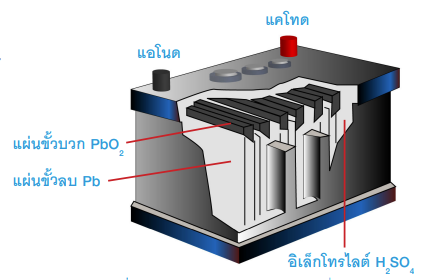
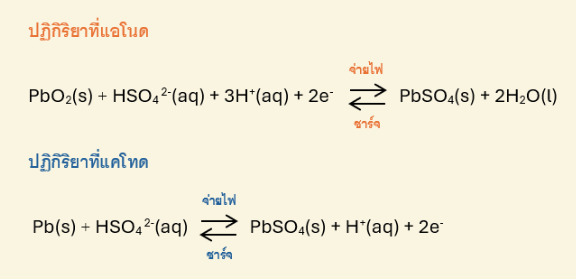
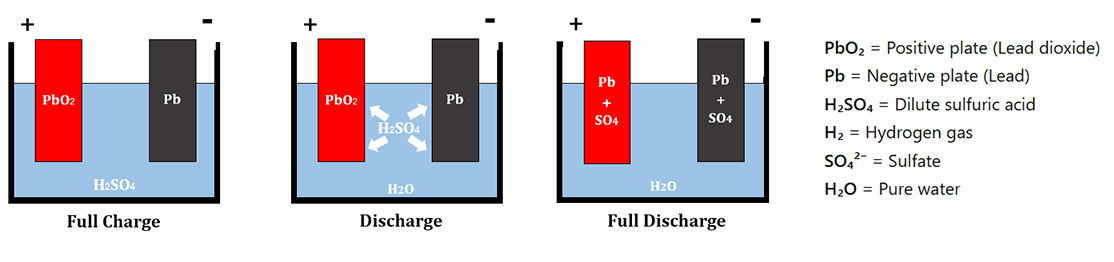
Wet Cell หรือ Storage Battery ใช้อิเล็กโทรไลต์ในรูปแบบของเหลว สามารถชาร์จไฟและนำกลับมาใช้งานซ้ำได้ โดยตัวอย่างที่พบได้ทั่วไปคือแบตเตอรี่ตะกั่ว-กรดที่ใช้ในรถยนต์และรถจักรยานยนต์
การแบ่งตามลักษณะการใช้งาน
แบตเตอรี่ปฐมภูมิ (Primary Battery) เป็นแบตเตอรี่ที่ไม่สามารถชาร์จไฟกลับมาใช้ใหม่ได้ เมื่อพลังงานหมดจำเป็นต้องเปลี่ยนใหม่ เช่น แบตเตอรี่อัลคาไลน์ หรือแบตเตอรี่ลิเทียมสำหรับอุปกรณ์อิเล็กทรอนิกส์ขนาดเล็ก
แบตเตอรี่ทุติยภูมิ (Secondary Battery) เป็นแบตเตอรี่ที่สามารถชาร์จและนำกลับมาใช้งานได้หลายครั้ง เช่น แบตเตอรี่ลิเทียมไอออนในโทรศัพท์มือถือและคอมพิวเตอร์ รวมถึงแบตเตอรี่สำหรับยานพาหนะ
ทั้งนี้ แบตเตอรี่ทุติยภูมิสามารถพบได้ทั้งแบบ Dry Cell และแบบ Wet Cell โดยชนิดที่นิยมใช้งาน ได้แก่ แบตเตอรี่ตะกั่ว-กรด แบตเตอรี่ลิเทียม/ลิเทียมไอออน และแบตเตอรี่นิกเกิล ซึ่งแต่ละประเภทมีหลักการทำงานและการใช้งานที่แตกต่างกันตามคุณสมบัติทางเคมี